Winter Driving in the Colorado Mountains
The Reality of the Rockies
Driving Interstate 70 through the Colorado Rockies in winter is a humbling experience. You are crossing the Continental Divide at elevations exceeding 11,000 feet. The climb up Georgetown Hill tests the limits of older engines, while the steep, sustained descent from the Eisenhower Tunnel into Silverthorne instantly exposes bad braking habits. The scenery is magnificent, yet the weather shifts with aggressive speed. A sunny departure from Denver can easily devolve into a whiteout blizzard by the time you clear the tunnel. Understanding how to handle these conditions separates an unforgettable mountain vacation from a dangerous roadside ordeal.
The Colorado Traction Law
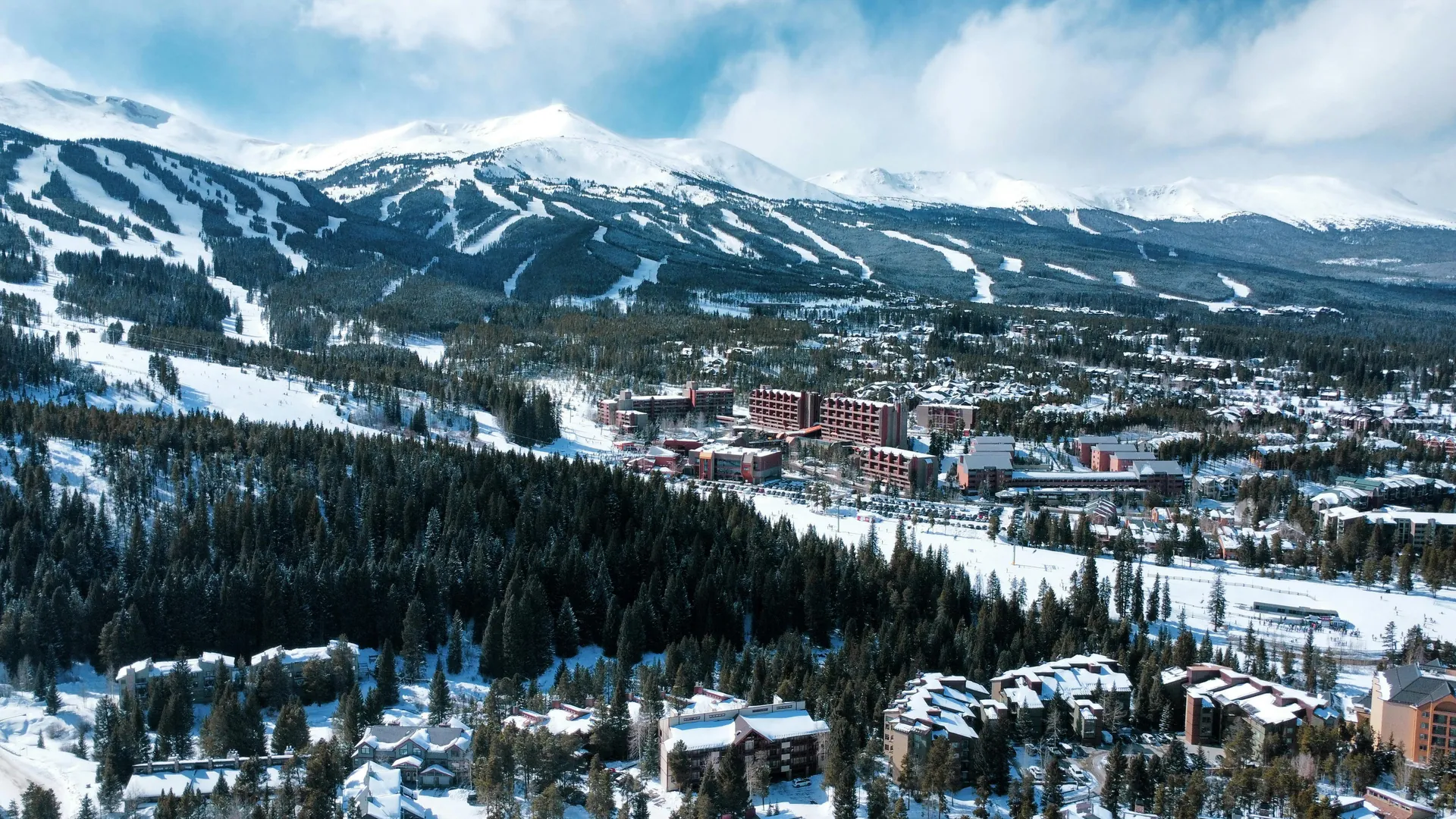
The state does not treat winter mountain driving as a casual suggestion. The Colorado Department of Transportation (CDOT) actively enforces specific vehicle requirements to prevent highway gridlock. Code 15 dictates that all motorists must have either specialized snow tires, tires bearing the mud and snow (M+S) designation, or an all-wheel drive vehicle. Every tire on the pavement must carry a minimum tread depth of 3/16″. Ignore this mandate during an active storm, and you risk steep fines.
Passenger Vehicle Chain Law
When the weather turns severe, CDOT escalates its response by triggering the Passenger Vehicle Chain Law. You will see overhead variable message signs indicating that Chain Laws are now in effect for commercial vehicles, accompanied by strict mandates for passenger cars. Lacking the proper equipment earns a base fine of $133, and that figure climbs significantly to $657 if your spun-out sedan blocks traffic and forces highway crews to shut down the interstate.
AWD vs. 4WD vs. 2WD
Dealerships love to market all-wheel drive as an invincible winter shield. It is not. All-wheel drive (AWD) and four-wheel drive (4WD) are phenomenal for accelerating from a dead stop in deep snow. They do absolutely nothing to help you stop faster. When you crest Vail Pass and encounter a sheet of black ice, your braking distance depends entirely on tire compound and tread depth—not the badge on your trunk. Two-wheel drive vehicles can navigate the mountains safely, provided they are equipped with authentic winter tires displaying the three-peak mountain snowflake symbol. Think carefully about which conditions you need to prepare for.
The “I-70 Survival Kit”
You should prepare your vehicle as if you expect to be stranded. Mountain pass closures happen without warning, leaving drivers idling for hours in sub-freezing temperatures while wreckers clear spun-out semi-trucks. Pack a long-handled snow brush and a heavy-duty ice scraper. Keep a small bag of sand or non-clumping kitty litter in the trunk to throw under your spinning tires if you get stuck on a slick incline. Jumper cables, a high-capacity portable power bank for your phone, high-calorie snacks, and at least two heavy wool blankets are non-negotiable. Crucially, keep teh water bottles inside the cabin rather than the trunk so they do not freeze solid.
| Kit Category | Essential Gear | Purpose on the Road |
|---|---|---|
| Visibility | Long-handled brush & scraper | Clearing roof snow and windshield ice |
| Traction | Sand or kitty litter | Gaining grip on icy inclines |
| Emergency | Jumper cables & wool blankets | Surviving extended highway closures |
| Sustenance | High-calorie snacks & cabin water | Energy and hydration while stranded |
Timing Your Trip
Weekend traffic on I-70 is legendary for all the wrong reasons. The westbound Friday afternoon migration and the eastbound Sunday afternoon exodus create intense gridlock, compounding the danger of snowy roads.
If you must travel on weekends, aim to clear the foothills before 6:00 AM or wait until after 7:00 PM. Taking the commute into your own hands is not the only path forward. Many visitors bypass the driver’s seat altogether by booking the Peak 1 Express shuttle from the airport directly to their lodging. For those who prefer the independence of a rental car, you can break up the tension of the drive with the Smartphone Driving Tour, allowing an audio guide to narrate the local history while you navigate the mountain passes.
Real-Time Resources
Your smartphone is a better survival tool than your anti-lock brakes when tracking incoming weather systems. Before leaving Frisco or Denver, consult the official mapping and alert systems.
- COtrip.org: The definitive state-run portal for live plow trackers, camera feeds, and real-time chain law status.
- Local AM Radio: Highway message boards will flash the specific AM frequency broadcasting immediate closure warnings for your current mile marker.
- National Weather Service: Rely on point forecasts for specific elevations, rather than generic town predictions.
Navigating Frisco’s Local Roads
Exiting the interstate and pulling into town shifts the driving dynamic entirely. Town streets are plowed regularly, but they intentionally retain a hardpack snow layer for much of the winter to protect the asphalt and facilitate snowmobiling in certain crossing zones. Speed limits drop significantly, and the roundabouts near the highway exits require extra caution. If your vehicle begins to slide in a roundabout, do not slam on the brakes—steer smoothly in the direction of the slide to regain traction. Give municipal plows a wide berth and never attempt to pass them on the right, as the driver’s visibility is heavily restricted by the blade’s snow spray.
Parking Considerations
Snow removal operates as a massive logistical machine in Summit County. Local authorities enforce strict overnight parking ordinances to keep streets clear for heavy machinery. Leaving your vehicle on a public right-of-way during restricted hours will result in a ticket and an expensive tow. Always confirm your lodging provides dedicated off-street parking, and review our complete guide to visitor rules and local guidelines to ensure your car stays exactly where you left it.
Emergency Preparedness
If your car breaks traction and slides off the road, stay inside the vehicle. Stepping out onto an active, icy highway is incredibly dangerous, as approaching drivers are likely struggling with the exact same patch of ice and could slide directly into you. Keep your seatbelt fastened even while stationary. Turn on your hazard lights, call 911 if you are in a precarious position or blocking a lane, and wait for the Colorado State Patrol to secure the scene. If you are safely off the shoulder in a snowbank, a private tow company might be your fastest extraction method, but expect surge pricing during major storms. Should a collision result in injuries, St. Anthony Summit Hospital provides Level III trauma care right in town. Check our local services directory for exact hospital coordinates and immediate urgent care options.
Health & Safety Integration
Driving at altitude demands more from your physical body than a sea-level commute. The town sits at an elevation of 9,097 feet. Thinner air forces your heart and lungs to work overtime, accelerating driver fatigue and subtly slowing your reaction times behind the wheel. Drink plenty of water during your drive, cycle the fresh air intake on your climate control, and switch drivers if you feel a headache setting in. Dive deeper into protecting yourself with our high-altitude safety tips.
Arriving Safely
Once you park your car at your cabin or hotel, leave it there. The Summit Stage offers a robust, free bus service connecting the area to Breckenridge, Silverthorne, and Keystone. Riding the bus is the smartest way to navigate the region during an active storm, eliminating the anxiety of icy roads and scarce resort parking. Learn more about local shuttles on our transportation guide. The mountains do not care about your itinerary. Equip your vehicle properly, respect the storm cycles, and let the plows do their job.