The Evolution of a Mining Town
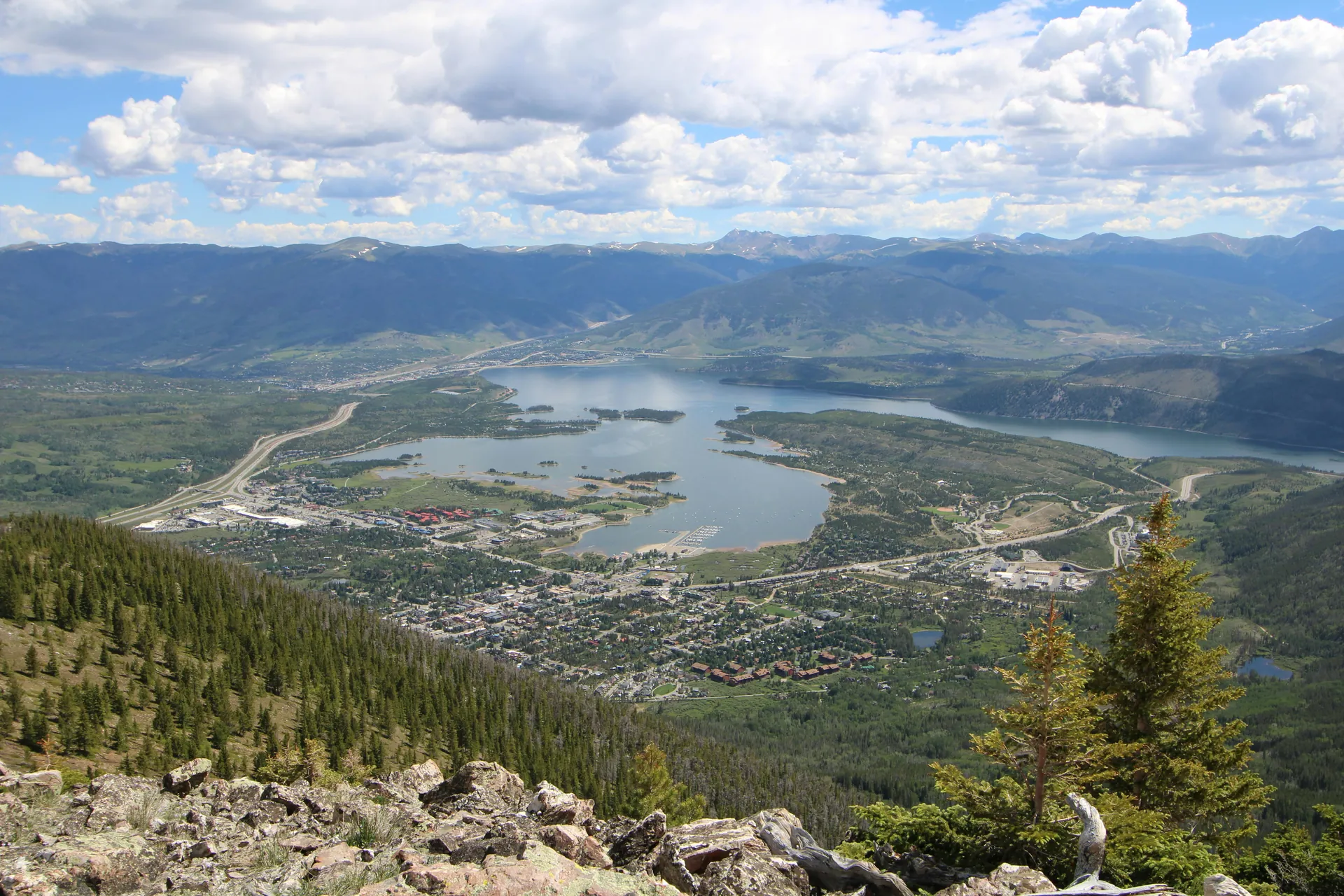
From Prospector’s Dream to Mountain Playground
Anchored in the Ten Mile Canyon, Frisco did not begin as a playground for skiers or summer vacationers. Henry Recen staked the first claims around the Blue River in 1873, drawn into the high country by the undeniable allure of gold and silver. The 1870s prospectors faced a relentless environment. Navigating the dense pine forests and the jagged peaks required immense physical endurance, as men armed with little more than pickaxes and dynamite sought to tear wealth directly from the granite. They named their encampment after the St. Louis-San Francisco Railway, an optimistic gamble that the major transit line would eventually reach their isolated valley. It never did.
A different kind of iron horse ultimately penetrated the high country. The Denver, South Park and Pacific Railroad, alongside the Denver and Rio Grande Western, laid the narrow-gauge tracks that transformed this remote outpost into a critical transit hub. Freight trains hauled raw ore out of the mountains and dragged heavy mining equipment back in to accomodate the explosive population growth. Saloons multiplied along the dirt thoroughfares. The town incorporated in 1880 to establish order among the transient miners, gamblers, and merchants flooding the valley.
The mountains did not surrender their wealth easily. Every ounce of silver extracted from the Ten Mile Canyon required an equal measure of human suffering and unyielding endurance.
Surviving at a 9,097-foot elevation demanded specific architectural strategies. Early builders relied on thick lodgepole pines to construct cabins capable of bearing immense snow loads. The Denver Public Library’s Western History Collection holds extensive archives detailing the absolute isolation these settlers faced from November to May. Snow blocked the mountain passes, severing supply lines for months at a time, making flour and coffee luxury goods. It is difficult to fully grasp the brutal winters they had to live through.
The Bust and the Quiet Years
The Silver Crash of 1893 shattered the Colorado Rockies. The federal government repealed the Sherman Silver Purchase Act, dropping the value of the metal overnight and stalling the economic engine that drove the region. Mines shuttered in a matter of hours. Families abandoned their homesteads, leaving half-finished claims rotting on the hillsides. Frisco could have easily become another ghost town, a mere footnote in western expansion.
A stubborn fraction of the population stayed. They pivoted to ranching, trapping, and small-scale agriculture to weather the quiet decades that followed. It took immense resilience to manage teh rapid economic decline. The town effectively went to sleep, preserving its frontier architecture simply because no one possessed the capital to tear it down and rebuild.
Timeline of Frisco’s Evolution
| Era | Key Event | Economic Driver |
|---|---|---|
| 1873 | Founding of Frisco by Henry Lear | Gold and Silver Prospecting |
| 1880s | Arrival of Narrow-Gauge Railroads | Transit, Logistics, and Ore Export |
| 1893 | The Silver Crash | Economic Stagnation / Agriculture |
| 1960s-Present | Dillon Dam Construction & Ski Boom | Tourism and Outdoor Recreation |
Life in the Frontier vs. Modern Frisco
The 1880s Reality
Life was defined by cold drafts, wood-burning stoves, and the relentless pursuit of subsurface wealth. The saloons served as the social heart of the mining camp, offering the only reprieve from 12-hour shifts in damp, dangerous mine shafts. Medical care was primitive, and justice was swift. The original town jailhouse, a cramped wooden box, held belligerent drunks and claim jumpers until the circuit judge arrived.
The Modern Basecamp
Today, visitors enjoy world-class amenities without sacrificing the alpine aesthetic. The dirt paths have paved the way for a sophisticated retail corridor. You can experience a historic stay at places like the Frisco Lodge—built in 1885 as a stagecoach stop—while enjoying high-speed internet and modern heating. The town now serves as the central launching point for Summit County adventures, seamlessly blending past and present.
Preserving the Past: The Historic Park
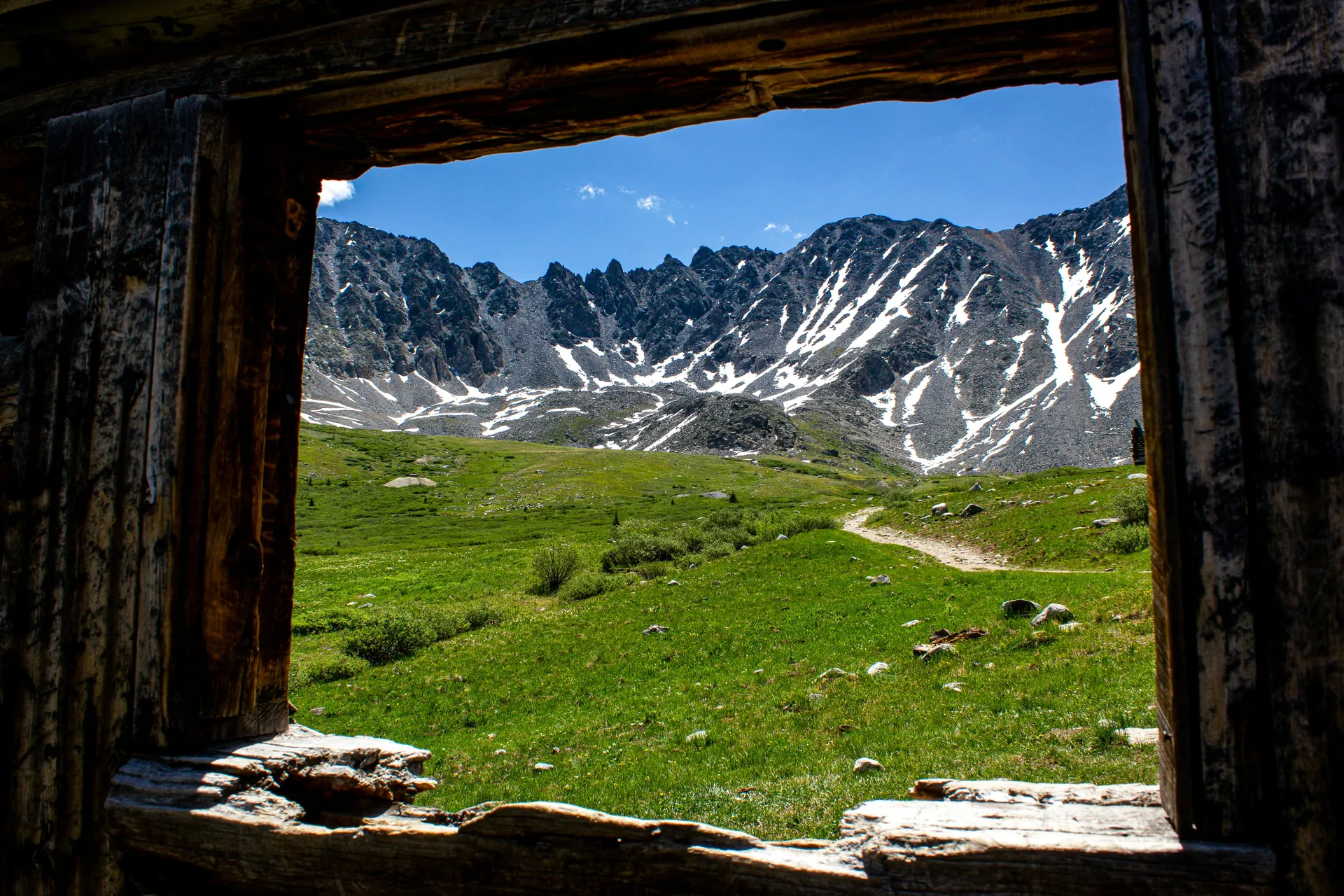
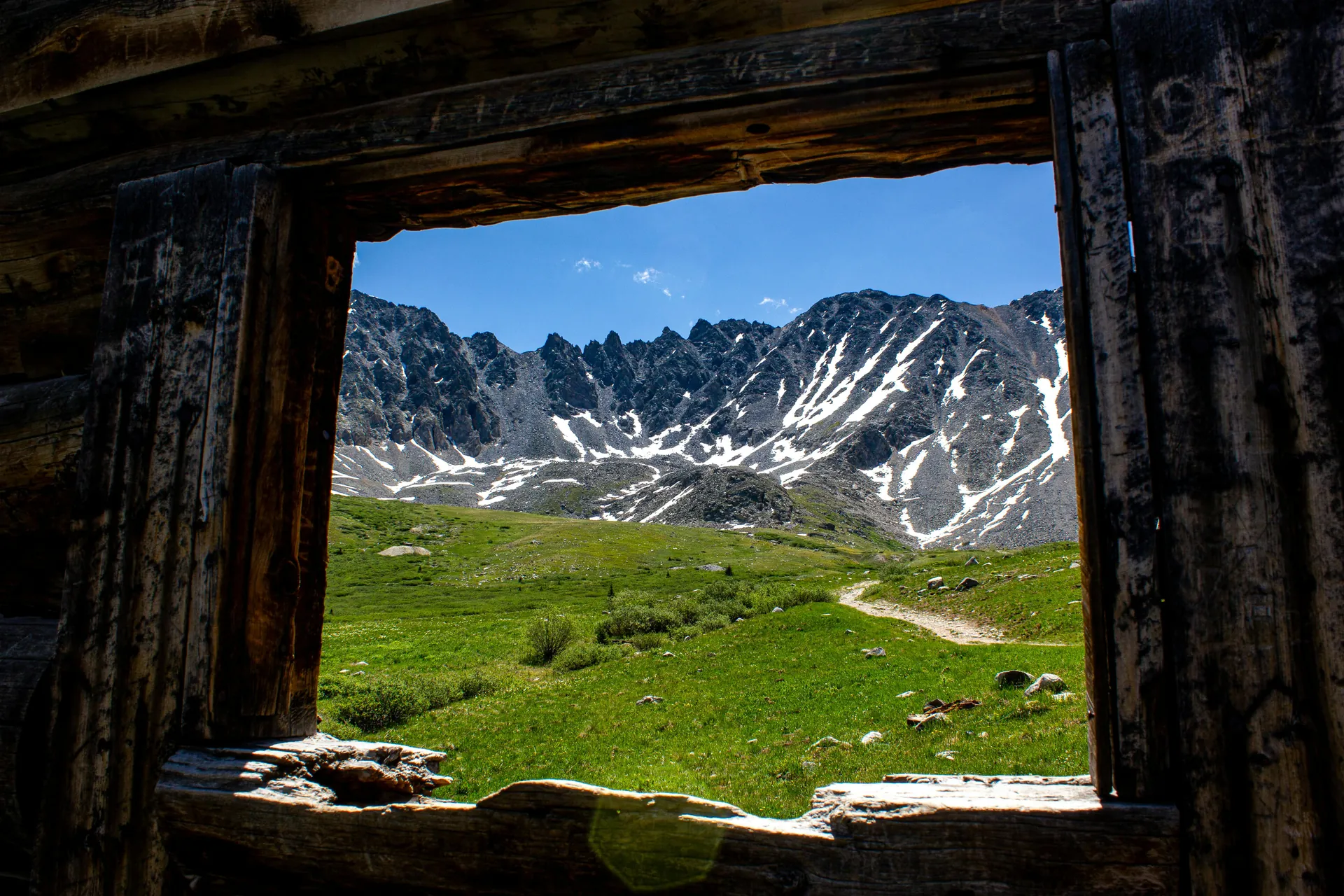
The Frisco Historic Park & Museum stands as a physical timeline of the region’s development. Located at 120 Main Street, this open-air museum features original structures relocated from around the Ten Mile Canyon to prevent their destruction during modern development phases. Collaborating closely with the Summit Historical Society, the town has curated an immersive environment that forces visitors to confront the harsh realities of 19th-century mountain living.
Wandering through the park reveals several critical structures that defined the early community:
- The Schoolhouse Museum: Built in 1889, this building signified Frisco’s transition from a transient mining camp to a permanent settlement prioritizing family and education.
- The Original Jailhouse: A stark reminder of frontier justice, complete with heavy iron fixtures and reinforced doors.
- Prospector Cabins: Various log structures demonstrating the architectural evolution required to insulate families against sub-zero temperatures.
Local Tip: The Historic Park is entirely free to enter. Spend an hour here before dinner on Main Street to completely change your perspective on the buildings you are walking past.
The Transition to Recreation
The trajectory of the Rocky Mountains shifted permanently after World War II. Veterans returning from the 10th Mountain Division, having trained in alpine survival and combat on skis, recognized the recreational potential of the snow-covered peaks. The construction of the Eisenhower Tunnel and Interstate 70 tore through the geological barriers that kept Frisco isolated. Instead of pulling minerals from the earth, the region began pulling tourists from the plains.
This pivot required a massive infrastructure overhaul. The old pack trails became paved highways and dedicated cycling paths. Today, active travelers rent equipment to cruise the exact routes where silver ore once traveled. You can explore this vast network via spring and summer e-bike rentals, riding the descending path from Breckenridge straight into the heart of Frisco.
The Creation of the Marina and Blue River Transformation
The Blue River valley underwent a staggering topographical change between 1961 and 1963. The Denver Water Board constructed the Dillon Dam to secure a reliable water supply for the expanding Front Range metropolis. This engineering marvel submerged the original townsite of Dillon, forcing residents to drag their homes on logs and flatbed trucks to higher ground.
This industrial utility project unintentionally spawned the region’s greatest summer asset. Frisco, sitting on the edge of the new reservoir, suddenly acquired beachfront property at 9,000 feet. The Colorado Parks and Wildlife department actively manages the surrounding alpine habitat, while the Frisco Bay Marina anchors the town’s water-based recreation. To truly understand the scale of this flooded valley, visitors take to the water. Paddling over the submerged riverbeds on an island kayak tour offers a surreal intersection of natural beauty and human engineering.
The “Main Street of the Rockies” Identity
Frisco leverages its geographical advantage perfectly. Sitting squarely between Breckenridge, Copper Mountain, and Keystone, it refuses to be overshadowed by the mega-resorts. The Main Street culinary scene rivals major metropolitan areas while maintaining a distinct, unpretentious alpine character. You can order dry-aged steaks and craft cocktails in buildings that once sold pickaxes and blasting powder.
Understanding this evolution adds critical context to your visit. The mountains remain unchanged; only our method of engaging with them has evolved. Those looking to dive deeper into the regional layout can connect the dots of history via a smartphone driving tour, which maps the remnants of mining infrastructure scattered alongside modern ski boundaries. Navigating these mountain corridors requires planning, so checking our transportation guide ensures you secure reliable transit, such as the Peak 1 Express, moving seamlessly from the airport to the historic downtown.
Honoring the Roots
Frisco stands as a bridge between two wildly different eras. The unyielding spirit of the 1870s prospector mirrors the modern adventurer seeking out the steepest downhill runs and the highest peaks. By preserving its structural history, the town ensures that the sacrifices of the early pioneers are not paved over by luxury condos and ski lifts.
Take the time to walk the side streets. Notice the settling logs of the original cabins against the backdrop of Mount Royal. Check out the outdoor recreation options to write your own chapter in this high-altitude landscape. The history here is not trapped behind glass; it is the ground you walk on.