Frisco’s Topographical Playground
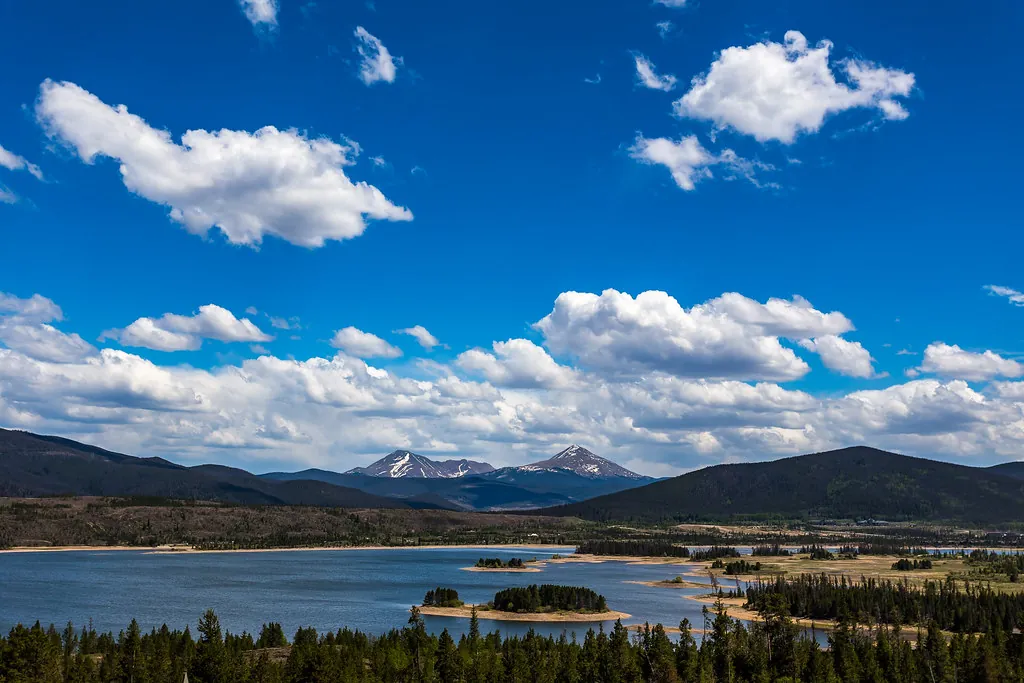
Forget the manufactured resort villages; Frisco operates as a genuine mountain town anchored at an elevation of 9,097 feet. The local topography dictates the lifestyle, turning the landscape into a sprawling arena for high-altitude endurance and leisure. Bordered by the vast expanse of the Dillon Reservoir and shielded by the jagged peaks of the Tenmile Range, this town serves as the undisputed headquarters for Rocky Mountain exploration. Whether you plan to carve through packed powder or navigate winding dirt trails, this guide outlines the physical realities and logistical requirements of the region.
Because the environment shifts drastically with the calendar, preparation dictates the quality of your experience. Visitors driving up from Denver—perhaps listening to a Self-Guided Audio Driving Tour to understand the regional history—often underestimate the thin air. Before stepping onto any trailhead, review our Navigating High Altitude primer. Hydration and acclimatization are mandatory, not optional.
The Frisco Adventure Park
Positioned directly on the Peninsula Recreation Area at 621 Recreation Way, the Frisco Adventure Park functions as the town’s year-round epicenter for gravity-fed thrills. During the winter months, the facility operates a premier lift-served tubing hill. You step onto a surface lift—eliminating the grueling uphill slog—and ride to the summit before descending one of several groomed lanes. The multi-lane tubing hill is designed to accomodate massive winter crowds without losing its high-speed thrill.
When the snow melts, the terrain transitions into the Frisco Bike Park. The park features jump lines, a dual slalom course, and an undulating pump track. It demands varying degrees of technical skill, allowing beginners to roll over gentle dirt mounds while advanced riders hit aggressive aerial kickers. Access to the bike park is free, but tubing requires strict advance reservations through our central Tickets & Tours portal.
Frisco Bay Marina
The eastern edge of Frisco collides with the Dillon Reservoir, creating a vital summer hub at 267 Marina Road. The Frisco Bay Marina coordinates all water-based recreation in town. Visitors can rent powerboats, pontoon boats, kayaks, and stand-up paddleboards to explore the 3,233-acre reservoir. A crucial reality check: swimming is strictly prohibited. Sourced directly from mountain snowmelt, the water temperature rarely breaches 60 degrees, presenting a severe risk of hypothermia.
To maximize your time on the water, consider joining an Island Kayak Tour. Guided excursions help you navigate the reservoir’s notorious afternoon crosswinds. During the peak months of July and August, rental inventory vanishes rapidly; securing your watercraft via the booking page weeks in advance is essential. If you want to check current water levels or reservoir management protocols, the Denver Water Official Portal provides real-time data.
Nordic Center & Winter Trails
Winter in Frisco extends far beyond the downhill ski resorts. Operating adjacent to the Adventure Park, the Frisco Nordic Center manages 28 kilometers of meticulously groomed cross-country ski trails alongside 8 kilometers of dedicated snowshoe paths. The facility caters to both classic striding and freestyle skate skiing. You slice through thick stands of lodgepole pine, moving away from the highway noise and into profound alpine silence. Equipment rentals and professional instruction are available directly at the day lodge.
For independent winter walkers and summer hikers alike, the Rainbow Lake Trail stands out as a mandatory excursion. Originating near the end of 2nd Avenue, this 1.5-mile round-trip route offers a high-reward ratio for minimal elevation gain. It cuts through dense forest and opens up at a series of beaver ponds reflecting the surrounding peaks. It’s a straightforward path you won’t mind bringing your kids along for.
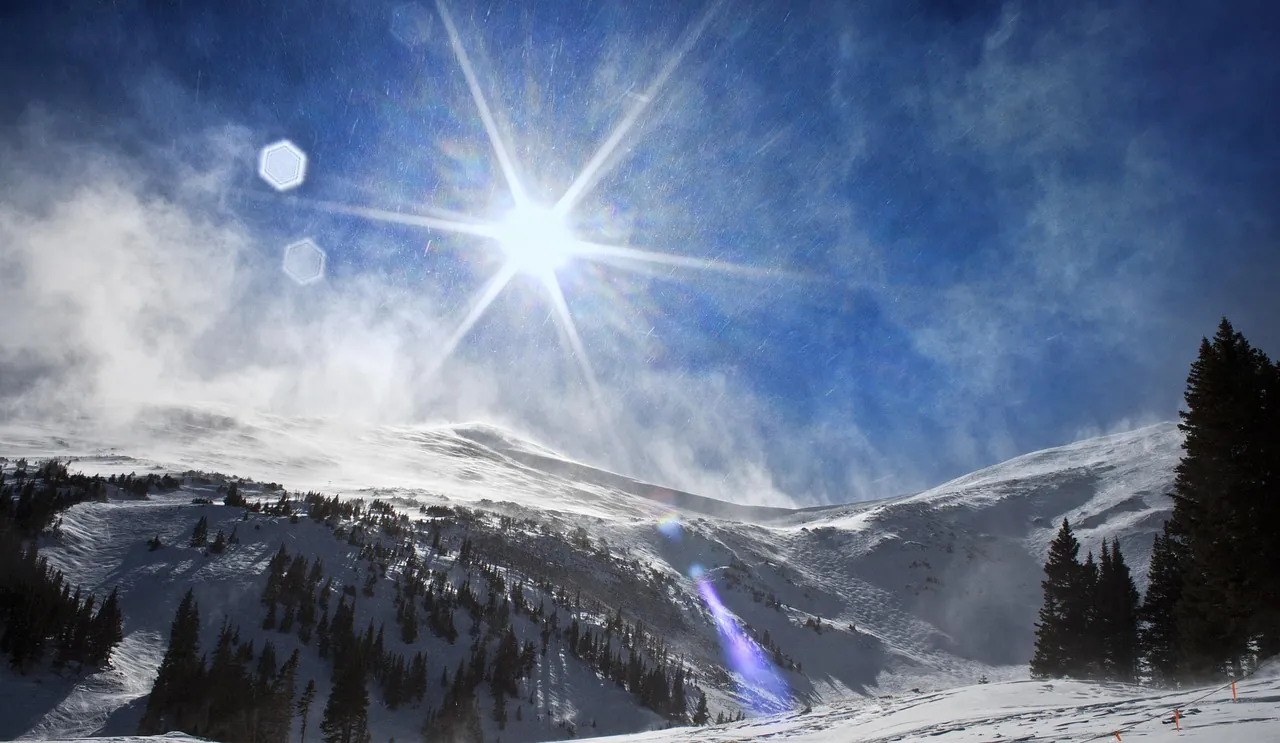
Always verify current trail conditions through our Weather & Local Services page before embarking. Mountain squalls materialize with zero warning, dropping temperatures by twenty degrees in minutes.
Cycling the Summit County Path System
Frisco operates as the central junction for the Summit County Paved Recreation Pathway system. This extensive network of asphalt trails connects Frisco directly to Breckenridge, Copper Mountain, and Vail, allowing cyclists to traverse the region entirely separated from vehicular traffic. You can easily arrange E-Bike Rentals to conquer the uphill gradients that link the towns.
A highly recommended itinerary involves catching a shuttle up to Vail Pass and executing a long, scenic descent back into town. Opting for a guided bike tour down Vail Mountain removes the logistical friction of transporting your own gear. If you choose to pedal the path system on your own, stick to the right lane, pass on the left with a clear verbal warning, and remember that uphill riders always maintain the right of way. For those interested in exploring neighboring towns after their ride, our guide to Day Trips from Summit County outlines the best secondary stops.
Navigating Mud Season
The transition between winter and summer—colloquially termed ‘Mud Season’—presents unique challenges for outdoor recreation. Spanning late April through May, and again in late October, the melting snow creates saturated, unstable trails. Hiking or biking on muddy singletrack causes severe erosion and widens paths, permanently damaging the ecosystem.
During these shoulder seasons, stick exclusively to the paved recreation paths or south-facing, low-elevation trails that dry quickly. The White River National Forest Service frequently issues temporary closures during this period to protect migrating elk and deer populations. If the outdoor options are limited by weather, Mud Season serves as the perfect excuse to explore our Local Dining & Restaurant Guide, as many establishments offer off-season specials, or to secure discounted rates detailed in our Places to Stay directory.
Safety Infrastructure and Logistics
Pushing your physical limits at high altitude requires a safety net. Frisco houses the St. Anthony Summit Hospital—a Level III Trauma Center—equipped to handle everything from altitude sickness to orthopaedic injuries resulting from mountain biking accidents. Know the location of the hospital before you arrive. If you plan to drive to remote trailheads during the snowy months, compliance with the state traction laws is enforced heavily; review our Winter Driving Guide to avoid steep fines.
To bypass the headache of navigating crowded trailhead parking lots, utilize the Summit Stage. This free public transit system runs comprehensive routes throughout the county, dropping hikers and bikers directly at primary access points. Detailed schedules and route maps are available on our How to Get to Frisco page.
Responsible Recreation
The sheer volume of visitors moving through the Peninsula Recreation Area demands strict adherence to environmental ethics. To keep our trails and parks pristine, you must align with local visitor guidelines outlined extensively on our Visitor Rules page. This means packing out all trash, yielding to wildlife, and honoring municipal fire bans. A single rogue campfire during a dry summer can devastate the entire valley.
Pet owners face specific regulations. Dogs must remain leashed in the majority of public spaces, including the Marina and high-traffic trails, to prevent wildlife harassment. For comprehensive guidelines on interacting with the Colorado landscape, consult the official Colorado Parks and Wildlife portal and internalize the core tenets provided by the Leave No Trace Center for Outdoor Ethics.