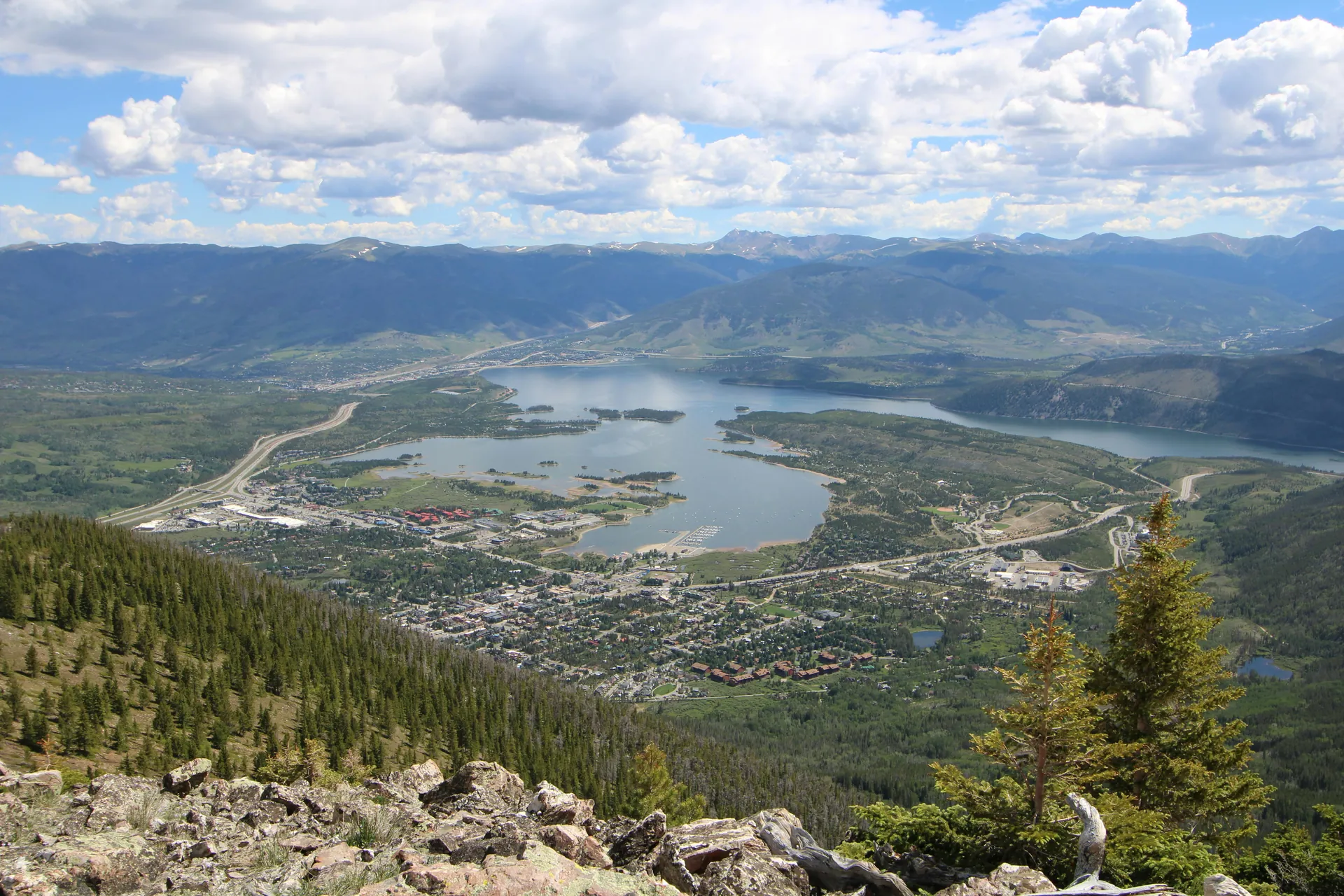
Frisco commands a profound respect for the natural world. Situated at an elevation of 9,097 feet, this town operates entirely within an environment we borrow from the permanent residents who roam the lodgepole pine forests and alpine tundra. Stepping onto a trail here means stepping into a wild habitat—something you need to be prepared for. We share this high-altitude terrain with 1,000-pound moose, migrating elk herds, and elusive black bears. A casual morning walk can rapidly shift from a quiet outdoor excursion to an intense standoff if you lack situational awareness.
Photo by Zach LeBlanc on Pexels
Wildlife viewing stands as one of the most rewarding aspects of visiting Summit County. Observing a bull moose grazing in a wetland or watching a red fox dart across a snowy path leaves a lasting impression. Securing that experience requires strict adherence to safety protocols and a foundational understanding of animal behavior.
The “Leave No Trace” Ethos
Protecting wildlife begins long before you actually encounter an animal. Keeping the backcountry pristine prevents dangerous habituation. When animals associate humans with food, they lose their natural wariness, often leading to aggressive behavior and the eventual euthanasia of the animal by wildlife officers.
Following the official guidelines set by the Leave No Trace Center for Outdoor Ethics dictates that you pack out every single item you bring into the woods. A discarded granola bar wrapper or an abandoned apple core teaches a black bear to forage near hiking paths instead of deep in the forest. Before you explore the extensive trail systems detailed in our Outdoor Recreation & Parks guide, commit to leaving the environment entirely undisturbed.
Wildlife Encounter Protocols
Memorizing the “Rule of Thumb” serves as your primary defense mechanism. Extend your arm fully and hold up your thumb. If your thumb completely covers the animal in your line of sight, you stand at a safe distance. If you can still see the animal protruding past your thumb, you must back away slowly.
Species
Primary Habitat
Minimum Distance
Immediate Action
Moose
Willows, wetlands, lakeshores
25+ yards
Back away. Put a large tree or rock between you.
Black Bear
Forested areas, berry patches
100+ yards
Stand your ground. Speak firmly. Never run.
Elk / Mule Deer
Alpine meadows, open forests
25+ yards
Maintain distance, especially during rutting season.
Mountain Lion
Rocky outcroppings, dense timber
100+ yards
Make yourself look massive. Throw stones if approached.
Species-Specific Safety
Moose & Elk
Moose command absolute respect and cause more injuries in Colorado than any other wild animal. They lack the natural fear of humans that other prey animals possess. If a moose pins its ears back, licks its snout, or the hair on its neck stands up, you are witnessing imminent agression. Drop your backpack if necessary and get a massive tree or boulder between you and the animal immediately.
Elk require similar caution, particularly during the spring calving season and the fall rut. Bull elk become highly unpredictable and fiercely territorial when defending their harems. Give them an incredibly wide berth and utilize binoculars for viewing.
Black Bears & Mountain Lions
Never run from a bear or a mountain lion. Running instantly triggers a predator’s chase response. You might be cruising on a self-guided e-bike tour of the lake loop when you spot a black bear foraging in teh brush. Hit the brakes, maintain your distance, and let the animal pass.
If a black bear notices you, stand your ground, raise your arms to appear larger, and speak in a calm, firm voice. For comprehensive behavioral science on these species, consult Colorado Parks and Wildlife (CPW). If a mountain lion aggressively approaches, fight back using rocks, sticks, or your bare hands.
The Role of Your Four-Legged Friends
Bringing a dog onto the trails introduces a volatile variable into wildlife habitats. Off-leash dogs cause the vast majority of negative moose encounters in Summit County. A dog will instinctively chase a moose, realize its critical mistake, and sprint back to its owner—bringing an angry, charging ungulate right to your feet.
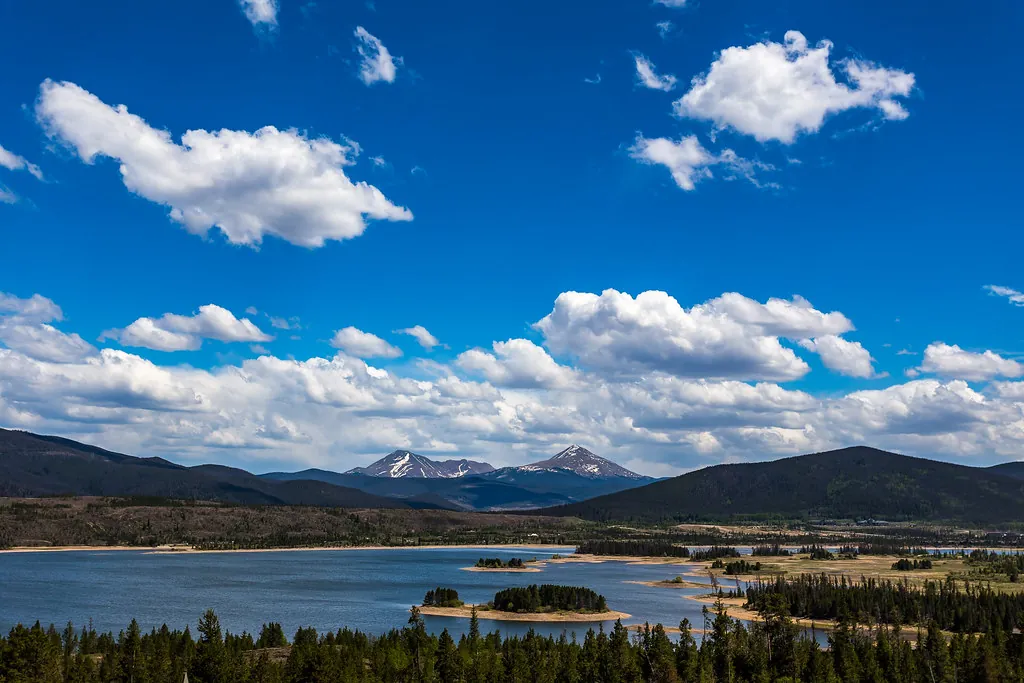
“Dillon Reservoir Frisco Colorado” by adifferentbrian is licensed under BY. Source: Openverse
Frisco enforces strict leash ordinances for the safety of both your pet and the local fauna. A leashed dog stays under your physical control, preventing disastrous pursuits. Review the full municipal codes and pet regulations on our Visitor Rules & Guidelines page before heading to the trailhead.
Reporting and Resources
Knowing when to report an animal sighting helps wildlife officers manage local populations and mitigate direct threats to public safety. You do not need to call the authorities simply because you saw a fox trotting through the woods. If an animal displays aggressive behavior, blocks a highly trafficked recreational path, or appears severely injured, you must alert the proper channels.
Frisco Police Department: Contact the non-emergency dispatch at (970) 668-8600 for aggressive wildlife encounters within town limits.
Summit County Sheriff: For backcountry emergencies or dangerous encounters on county trails, contact the Summit County Sheriff’s Office.
Colorado Parks and Wildlife: For general reporting and wildlife management concerns in the Northwest Region.
Environmental shifts push animals into different zones. Checking our Elevation, Weather & Local Services page before an outing gives you a tactical advantage. Heavy winter snowpack drives moose down into the town’s residential streets to forage on accessible willow bushes, meaning you must remain vigilant even when walking to a local coffee shop. Keep your distance, secure your trash, and respect the wild residents that make Frisco extraordinary.
Why Frisco is Your Perfect Basecamp Mapping out a rocky mountain itinerary often requires choosing between extreme isolation and massive resort crowds. Frisco eliminates that compromise. Anchored right on the shores of the Dillon Reservoir and sitting at the geographic center of Summit County, this town operates as the definitive launchpad for high-altitude exploration. You…
The Frisco Elevation Reality Driving west from Denver along the steep inclines of I-70, your ears begin to pop as the urban sprawl gives way to rugged pine forests and towering peaks. By the time you pull into town, you have officially arrived at 9,097 feet above sea level. This sheer vertical reality defines the…
From Prospector’s Dream to Mountain Playground Anchored in the Ten Mile Canyon, Frisco did not begin as a playground for skiers or summer vacationers. Henry Recen staked the first claims around the Blue River in 1873, drawn into the high country by the undeniable allure of gold and silver. The 1870s prospectors faced a relentless…
Introduction: The Frisco Paradox Arriving at 9,097 feet means tossing your normal climate expectations straight out the window. A Tuesday in July might start with frost on your windshield, shift into blistering solar heat by noon, and end with a torrential graupel storm. This is the Frisco paradox. The air is exceptionally thin, the ultraviolet…
The Reality of the Rockies Driving Interstate 70 through the Colorado Rockies in winter is a humbling experience. You are crossing the Continental Divide at elevations exceeding 11,000 feet. The climb up Georgetown Hill tests the limits of older engines, while the steep, sustained descent from the Eisenhower Tunnel into Silverthorne instantly exposes bad braking…