Packing for Four Seasons in One Day
Introduction: The Frisco Paradox
Arriving at 9,097 feet means tossing your normal climate expectations straight out the window. A Tuesday in July might start with frost on your windshield, shift into blistering solar heat by noon, and end with a torrential graupel storm. This is the Frisco paradox. The air is exceptionally thin, the ultraviolet rays are punishing, and the mountains dictate their own atmospheric rules. It’s the kind of unpredictable climate you have to pack for.
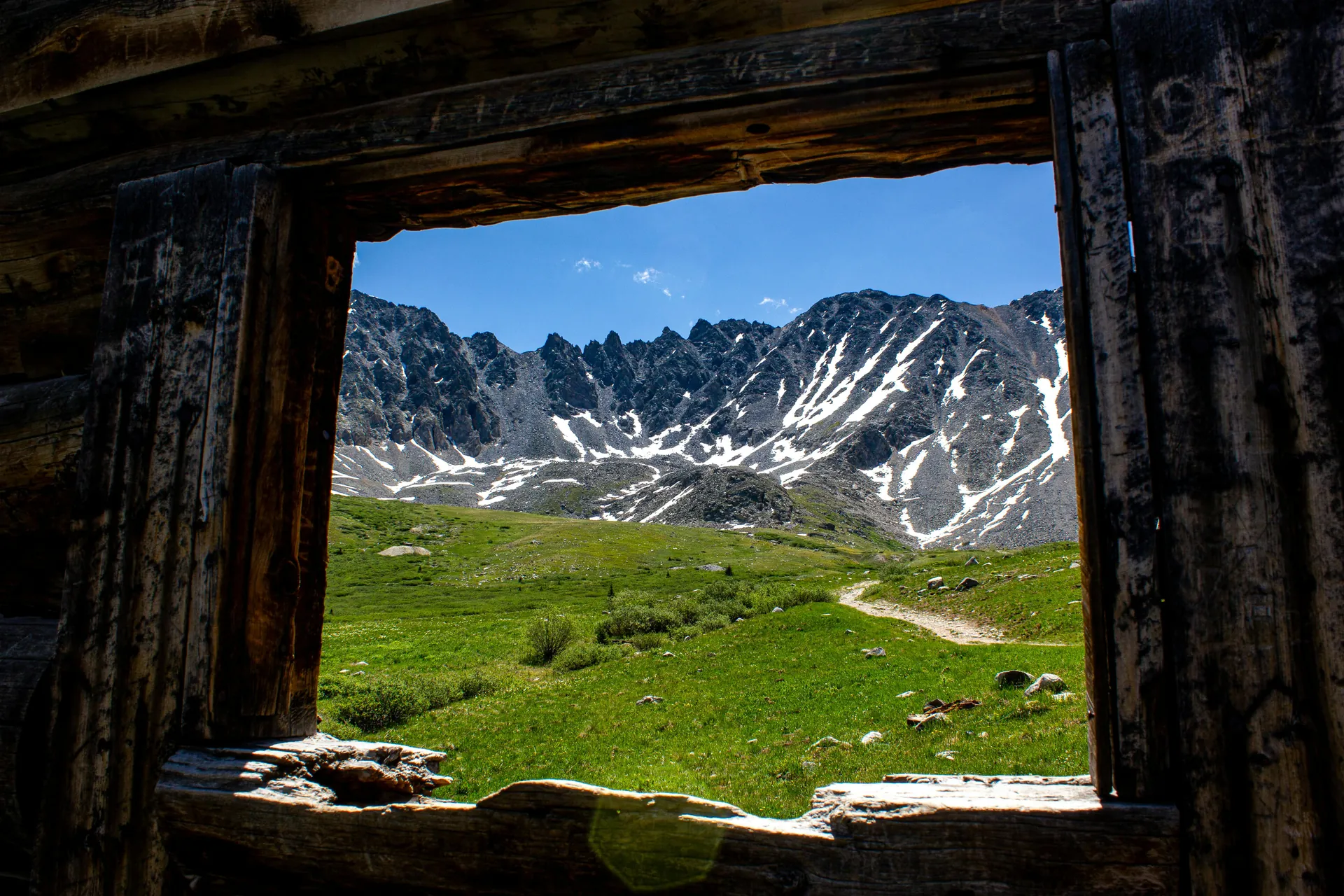
Visitors routinely step off the Peak 1 Express shuttle wearing shorts, only to realize the sun just dipped behind the Tenmile Range and the temperature plummeted thirty degrees in five minutes. Before you start planning your itinerary via our Frisco – Guide to Colorado hub, you need to master the art of the mountain suitcase. Survival—and comfort—up here relies entirely on adaptability.
The Golden Rule: The Layering System
Cotton kills. It is an old mountaineering adage that holds true whether you are summiting a 14,000-foot peak or just walking down Main Street to grab dinner. When cotton gets wet from sweat or rain, it loses all insulating properties and clings to your skin, rapidly draining your body heat.
Your entire packing strategy must revolve around a three-tier system:
- The Base Layer: This sits directly against your skin. Its sole job is moisture management. Choose lightweight merino wool or high-quality synthetic fabrics that pull sweat away from your body.
- The Mid Layer: This is your insulation. A solid fleece jacket, a lightweight down sweater, or a synthetic puffy vest traps the body heat you generate. It needs to be easy to strip off and shove into a daypack when the sun emerges.
- The Outer Shell: Your armor against teh elements. This layer must be windproof and waterproof. A high-quality Gore-Tex rain jacket or a specialized ski shell blocks piercing alpine winds and sudden afternoon downpours.
“There is no such thing as bad weather in Summit County, only inappropriate clothing choices.”
Seasonal Packing Strategies
Depending on when you secure your Places to Stay & Lodging, your gear requirements will diverge sharply. Here is how to handle the two primary seasons.
Summer: Morning Frost to Afternoon Thunder
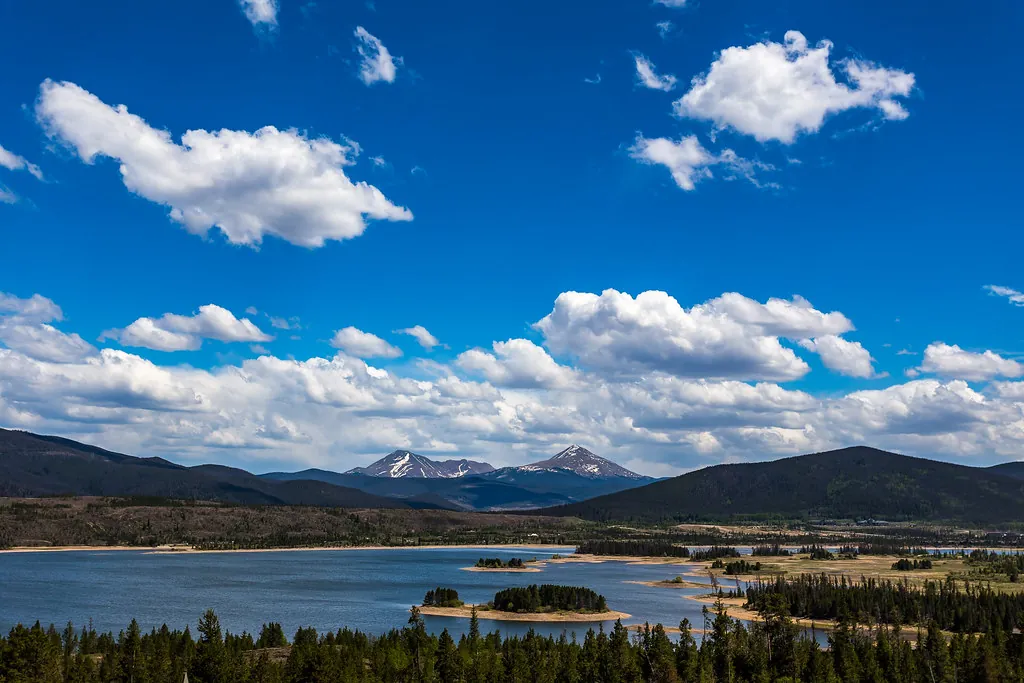
Summer mornings demand a fleece and a beanie. By 1:00 PM, you will be sweating in a t-shirt. If you are heading out for the Island Kayak Tour Experience at the Frisco Bay Marina, quick-dry clothing and a windbreaker are mandatory for outlasting the chilly water breezes. Hikers tackling Rainbow Lake need a lightweight rain shell packed near the top of their bags—Colorado’s monsoon season guarantees afternoon thunderstorms almost daily. Avoid heavy denim; it restricts movement and takes hours to dry.
Winter: Beyond the Heavy Ski Jacket
Winter packing requires managing intense moisture while retaining warmth. If you are snowshoeing or skating at the Nordic Center, you will generate massive amounts of body heat. A massive, insulated parka will leave you drenched in sweat—which then freezes when you stop moving. Opt for a breathable soft-shell jacket over an active mid-layer. Conversely, sitting on the tubing hill at the Frisco Adventure Park requires heavy, static insulation and waterproof snow pants, as you aren’t working hard enough to stay warm naturally.
Essential Gear Checklist
Cross-reference this table while packing your bags. Do not rely on picking up specialized technical gear at the airport; bring your trusted items from home.
| Item Category | The Summer Day-Hiker | The Winter Explorer |
|---|---|---|
| Footwear | Lightweight trail runners, waterproof hiking boots, moisture-wicking socks. | Insulated snow boots, micro-spikes/YakTrax for icy sidewalks, heavy wool socks. |
| Legwear | Zip-off hiking pants, quick-dry shorts, lightweight leggings. | Waterproof shell pants, fleece-lined leggings, thermal base layer bottoms. |
| Torso | UPF-rated sun hoodie, synthetic t-shirts, packable rain jacket. | Merino long-sleeve base, down vest, waterproof insulated parka or shell. |
| Accessories | Wide-brim hat, lightweight gloves (for cold mornings), daypack. | Thick beanie, neck gaiter/buff, waterproof insulated mittens (warmer than gloves). |
The High-Altitude Accessory Kit
Your clothing only solves half the equation. The environment at 9,097 feet requires a specialized biological defense strategy. For a comprehensive breakdown of recognizing altitude sickness, review our guide on Navigating High Altitude in the Rockies.
Every visitor needs to pack polarized sunglasses. The atmosphere here filters out significantly less ultraviolet radiation than at sea level, and snow blindness is a severe risk in winter. Sunscreen—SPF 50 or higher—is not optional, even when it is snowing. You will burn the underside of your nose and chin from the UV reflecting off the snowpack. Pack lip balm with heavy sun protection; the arid mountain air will crack your lips within 24 hours of arrival. Finally, bring a reusable water bottle or hydration bladder. You need to consume twice as much water as you normally would to offset the dry air and prevent altitude-induced headaches.
Logistical Reminders & Local Resources
If you arrive under-prepared, panic is unnecessary. Frisco is well-equipped to bail out forgetful travelers. Need basic groceries, electrolyte tablets, or a cheap pair of sunglasses? Safeway and Whole Foods (just down the road in Silverthorne) serve as the primary supply hubs. For technical gear, local outfitters along Main Street rent everything from high-end mountain bikes to performance snowshoes.
Renting gear rather than packing bulky items is a smart strategy, especially if you plan on trying a Spring and Summer E-Bike Rental to cruise the paved paths. When it comes to dining, leave the formal wear at home. Frisco’s dress code is famously relaxed. You can transition straight from a rugged trail run to a table at one of the top spots in our Local Dining & Restaurant Guide wearing clean fleece and trail shoes without anyone batting an eye.
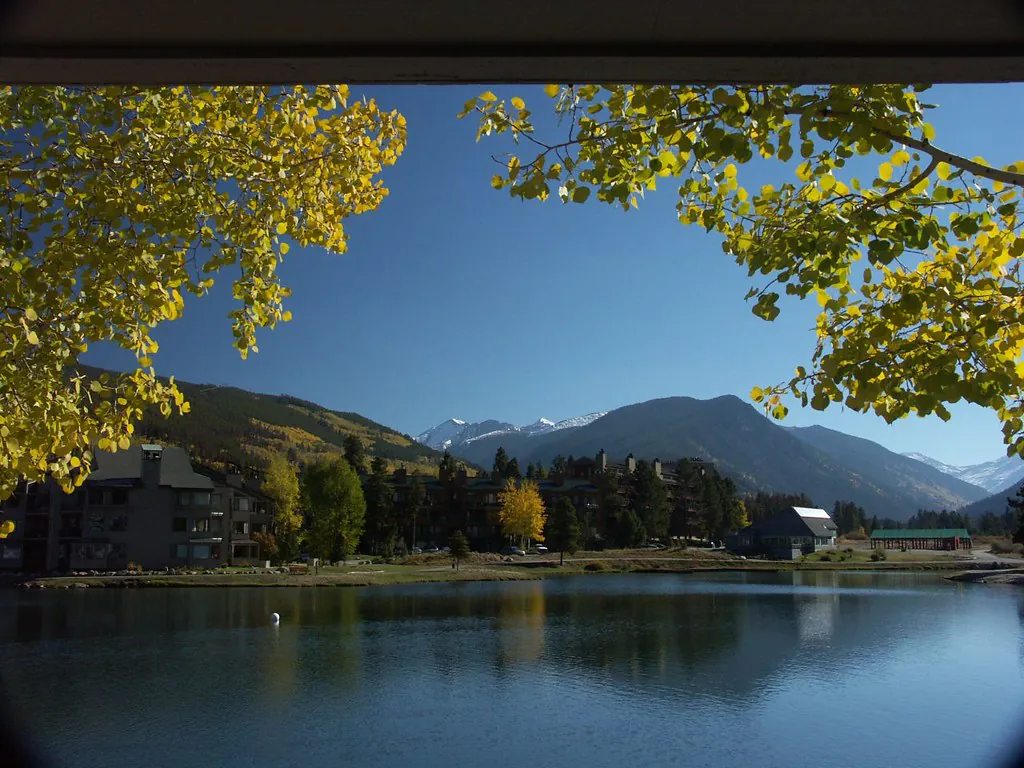
If you are driving up I-70, your vehicle needs a packing list of its own. Colorado enforces a strict Traction Law from September through May. Ensure your car contains an emergency kit with blankets, extra water, a snow shovel, and a flashlight. Brush up on the legal requirements in our Winter Driving in the Colorado Mountains post before leaving the rental lot.
External Authority Links
To ensure absolute readiness, always consult primary sources for weather and transit conditions before stepping out the door. The mountains do not care about your schedule.
- Road Conditions: Always check the Colorado Department of Transportation (COtrip) for live updates on I-70 closures, avalanche mitigation work, and Traction Law enforcements.
- Weather Forecasting: Do not rely on standard mobile weather apps. Use the National Weather Service and input Frisco’s specific zip code for pinpoint, high-elevation forecasting models.
- Outdoor Ethics: Review the Leave No Trace Center for Outdoor Ethics to understand how your packing choices—like bringing reusable containers and proper waste disposal bags—protect the fragile alpine tundra.
Preparedness directly correlates with how much fun you are going to have. By executing a strict layering system, anticipating drastic temperature swings, and carrying the right altitude-specific accessories, you can spend less time shivering in a damp cotton hoodie and more time exploring everything detailed in our Outdoor Recreation & Parks guide.