Introduction: Frisco as the Main Street of the Rockies
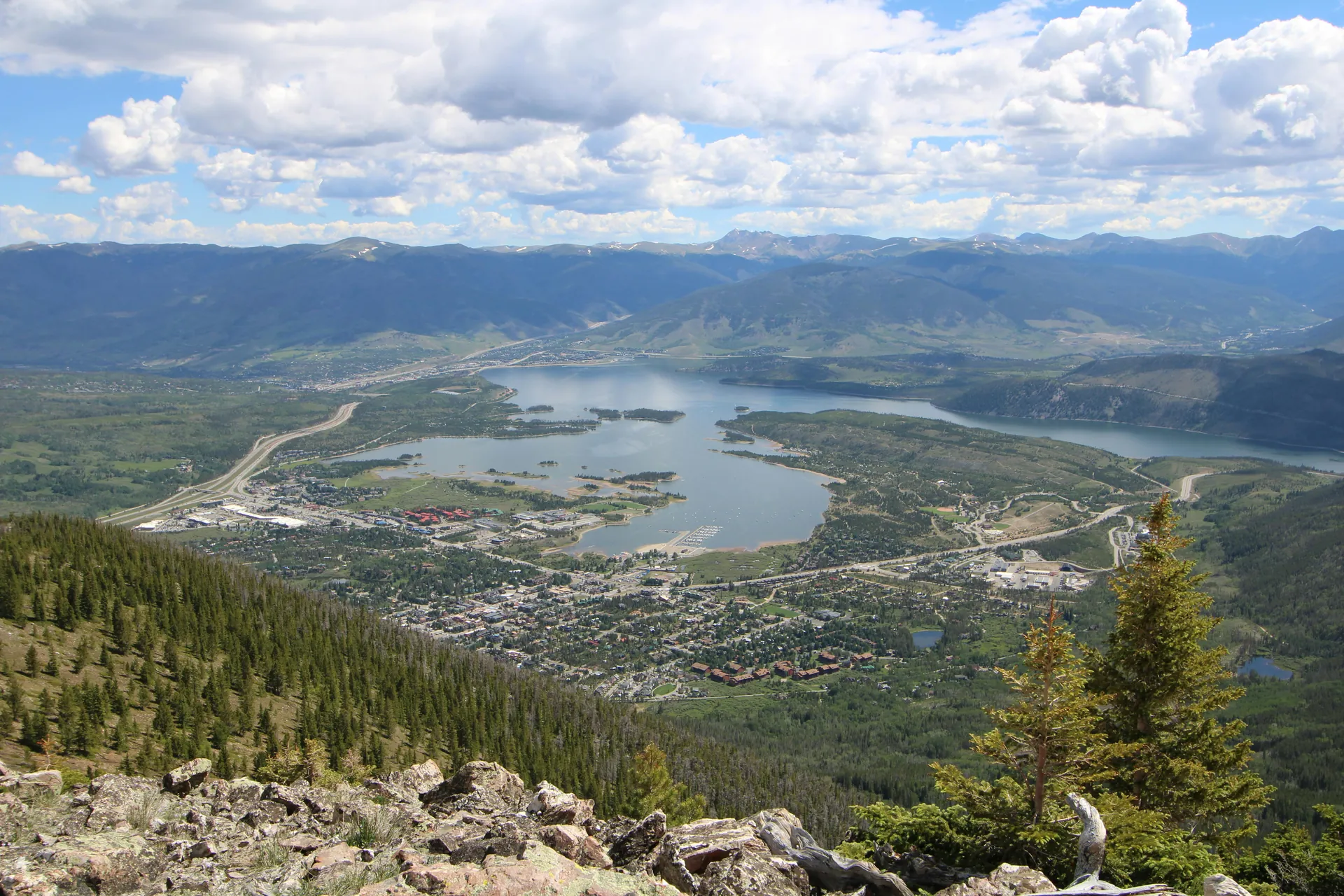
Geographic positioning is everything in the Colorado high country. You will find Frisco anchored perfectly in the center of Summit County, serving as the undisputed logistical hub for the surrounding mountain resorts. While neighboring towns sit at the end of long, isolated valley roads, Frisco rests right on the shores of the Dillon Reservoir, flanked by Interstate 70. This intersection of geography and infrastructure makes it the ideal basecamp. You do not just pass through Frisco; you deploy from it.
Whether you are flying in from sea level or driving up from the Front Range, understanding the transport ecosystem is critical to a smooth arrival. The journey from the plains of Denver into the steep, volatile terrain of the Rocky Mountains requires planning, situational awareness, and a healthy respect for the elements. From airport shuttles dodging weekend ski traffic to the free county-wide bus system, you have multiple ways to cover the distance. Your choice dictates whether your vacation begins with a relaxing scenic ride or a white-knuckle session behind the wheel.
Getting to Frisco from Denver International Airport (DIA)
Denver International Airport (DEN) serves as the primary aviation gateway for Summit County. The airport sits roughly 95 miles east of Frisco. Under ideal conditions—dry pavement, clear skies, and light traffic—the drive takes about one hour and forty-five minutes. Ideal conditions, however, are an exception on the I-70 corridor.
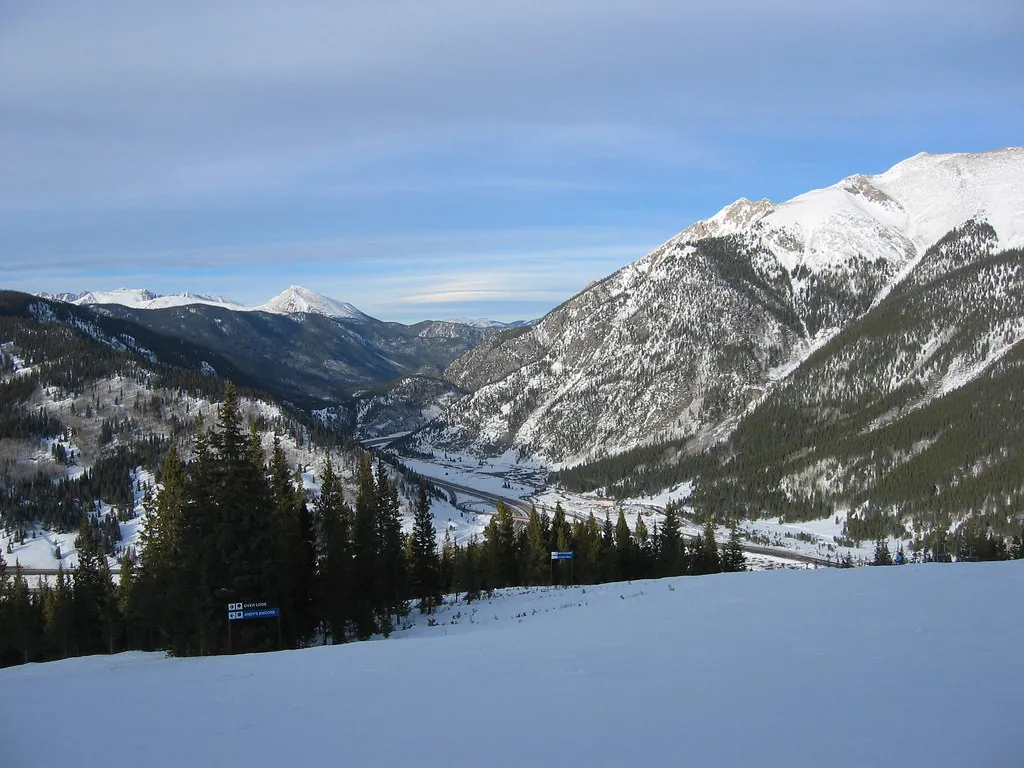
The route follows Peña Boulevard away from the terminal, merging onto Interstate 70 West. You will bypass the northern edge of the Denver metro area before the urban sprawl abruptly ends at the foothills near Golden. From there, the highway begins a relentless, sustained climb. You will pass through Idaho Springs and Georgetown before negotiating teh steep grades approaching the Eisenhower-Johnson Memorial Tunnel. At over 11,000 feet above sea level, this tunnel pierces the Continental Divide. Once you emerge on the western slope, you begin a sharp descent into Silverthorne, taking either Exit 203 or Exit 201 to drop directly into Frisco.
Timing your travel is the single most important factor. Westbound traffic on Friday afternoons and Saturday mornings during the winter ski season frequently turns the interstate into a rolling parking lot. Eastbound traffic on Sunday afternoons suffers the exact same fate. A standard two-hour drive can easily stretch to four hours. Before leaving the airport, you should always check the official CDOT CoTrip traffic map for real-time camera feeds, lane closures, and weather delays.
Shuttle Services: The Stress-Free Route
If you prefer to leave the mountain driving to professionals, the established shuttle network is your best option. Fleet operators maintain vehicles specifically designed for high-altitude winter transit, equipped with aggressive snow tires and driven by locals who run the route daily. Booking a reliable shared or private shuttle transfer straight from the DIA baggage claim to your lodging eliminates the need to navigate the rental car counter or worry about icy canyon curves.
Operators like Peak 1 Express and Epic Mountain Express dominate this corridor. You can find their dispatch desks inside the main terminal of the Denver International Airport on Level 5, with pickup zones located outside the baggage claim doors on Island 1. Shuttles offer both door-to-door service directly to your vacation rental or hotel, and discounted drop-offs at the Frisco Transit Center.
Travel Methods Comparison: Cost vs. Convenience
| Transport Method | Estimated Cost (One Way) | Luggage Capacity | Stress Level | Best For |
|---|---|---|---|---|
| Airport Shuttle (Shared) | $80 – $150 per person | 2 Bags + Ski/Snowboard Bag | Very Low | Solo travelers, couples, those wanting to avoid winter driving. |
| Rental Car (SUV/AWD) | $100 – $250+ per day | High (Depends on vehicle) | High (During winter storms) | Families requiring car seats, visitors planning extensive regional day trips. |
| Private Car Service | $400 – $800+ per vehicle | High (Suburban/Sprinter) | Zero | Large groups, luxury travelers, off-hours flight arrivals. |
| Public Transit (Bustang) | $12 – $20 per person | 1 Bag + Carry-on | Low | Budget-conscious travelers willing to navigate downtown Denver connections. |
Navigating the Mountains
Public Transit: The Summit Stage
Once you arrive in Frisco, you rarely need a personal vehicle. Summit County operates an exceptional, completely free public transportation network called the Summit Stage. This bus system connects Frisco to Breckenridge, Silverthorne, Dillon, Copper Mountain, and Keystone.
The primary hub is the Frisco Transit Center, located just behind the Safeway and Whole Foods off Highway 9. Skis and snowboards are welcome onboard in the winter, and buses are equipped with bike racks in the summer, making equipment transport seamless. Service generally runs from 6:00 AM until late evening, though exact timing fluctuates by season. You can view the live GPS tracking and route maps on the official Summit Stage portal.
Winter Driving & Traction Laws
If you choose to rent a vehicle, you must understand the legal and physical realities of mountain driving. From September through May, the Colorado State Patrol enforces a strict Traction Law on I-70. If winter weather strikes, your vehicle must have all-wheel drive (AWD) or four-wheel drive (4WD) with tires offering a minimum of 3/16-inch tread depth.
Two-wheel drive vehicles must have specialized winter tires bearing the Mud and Snow (M+S) or 3-Peak Mountain Snowflake icon. Failing to comply and subsequently causing a lane closure carries massive fines. For an in-depth look at surviving the steep grades and black ice, consult our comprehensive Winter Mountain Driving Guide. It is a massive weather system you need to be prepared for.
Arrival Logistics & Local Services
Securing transportation is only half the battle; knowing what to do with your vehicle once you pull into town is equally important. Frisco enforces strict parking ordinances to keep traffic flowing and ensure snow plows can operate safely during the winter months. Overnight parking on Main Street is heavily restricted, and ignoring the posted signs will result in a towed rental car. The Frisco Bay Marina also operates paid parking during the peak summer boating season. When booking your accommodations, confirm exactly how many parking spaces are allotted to your unit, as overflow municipal parking is limited.
Many visitors make the mistake of assuming urban rideshare apps work flawlessly in the mountains. While Uber and Lyft do operate in Summit County, the driver pool is small. Availability is highly inconsistent, especially during peak ski hours, heavy snowstorms, or late at night after the bars close. Trying to hail a ride at 1:00 AM on a Tuesday in February often results in endless app searches. Rely on the Summit Stage, call a local taxi company in advance, or secure alternative arrangements.
During the warmer months, the paved recreational paths connecting the county make micromobility an attractive option. Rather than fighting for a parking spot in downtown Breckenridge, many visitors rent an e-bike for the day and pedal the scenic route between towns. It bypasses traffic entirely and turns the commute into an activity.
Do not underestimate the physical toll of rapid elevation gain. You are traveling from 5,280 feet in Denver to 9,097 feet in Frisco in less than two hours. Drink water before you board your flight, skip the alcohol on the first night, and read up on navigating high altitude in the Rockies before you arrive.
I-70 Corridor & Summit County Map
Use the interactive map below to visualize the layout of Frisco in relation to the interstate, the Dillon Reservoir, and the major ski resorts. Note the location of the transit centers and highway exits to familiarize yourself with the terrain before making the drive.
Getting to Frisco requires a bit of logistical forethought, but the reward is immediate access to some of the most dramatic landscapes in North America. Whether you are stepping off a luxury airport shuttle or rolling into town in a snow-caked SUV, your arrival marks the beginning of an exceptional mountain experience. Review the visitor rules and local guidelines to ensure your stay remains respectful of the community, drop your bags, and head out to explore.