Navigating High Altitude in the Rockies
The Frisco Elevation Reality
Driving west from Denver along the steep inclines of I-70, your ears begin to pop as the urban sprawl gives way to rugged pine forests and towering peaks. By the time you pull into town, you have officially arrived at 9,097 feet above sea level. This sheer vertical reality defines the entire visitor experience in Summit County. Lower barometric pressure means every breath you draw pulls in significantly less oxygen than it would on the coast. Your heart pumps faster. Your lungs work harder. The dry mountain air strips moisture from your skin and respiratory tract with aggressive efficiency. We cover the broader recreational landscape in our comprehensive Frisco – Guide to Colorado, USA, but enjoying those outdoor pursuits requires a physical baseline. Transitioning from sea level to nearly two vertical miles in the sky demands respect, deliberate pacing, and a foundational understanding of mountain physiology. Ignoring the biological impact of the environment will compromise your itinerary. Altitude sickness is something you really shouldn’t mess around with.
Understanding Acute Mountain Sickness
Acute Mountain Sickness occurs when the body fails to adapt quickly enough to a high-altitude environment characterized by decreased oxygen density. At 9,000 feet, the effective oxygen level is roughly thirty percent lower than what coastal residents breathe daily. This deficit forces your cardiovascular system into overdrive just to maintain basic metabolic functions. The onset of symptoms typically begins within twelve to twenty-four hours of arrival. According to the CDC guidelines on high-elevation travel, severe cases can escalate into high-altitude pulmonary edema or cerebral edema—both life-threatening conditions requiring immediate descent. Minor symptoms manifest as a persistent, throbbing headache, general lethargy, loss of appetite, and restless sleep. Recognizing these signals early prevents a mild inconvenience from devolving into a medical emergency.The Golden Rules of Acclimatization
Your primary objective during the first forty-eight hours is active recovery. Many travelers make the critical error of dropping their bags and immediately sprinting up a steep trailhead. You must resist the urge to conquer the landscape on day one. A slow, methodical start allows your red blood cell count to gradually adjust to the thin atmosphere. Spend your arrival day walking around the historic Main Street, organizing your gear, or taking a low-impact Smartphone Driving Tour between Boulder and Vail. Pacing your initial exertion pays massive dividends when you are ready to tackle the more demanding trails found in our Outdoor Recreation & Parks guide later in the week.Altitude Symptoms and Proper Response
Different physiological reactions require different interventions. Use this breakdown to gauge your physical state and determine the necessary course of action.| Symptom Profile | Severity Level | Recommended Action |
|---|---|---|
| Mild Headache, General Fatigue, Minor Shortness of Breath on Exertion | Low | Increase water intake, rest in your hotel, completely avoid alcohol and heavy meals. |
| Persistent Nausea, Dizziness, Vomiting, Severe Insomnia | Moderate | Seek supplemental oxygen, utilize over-the-counter anti-nausea medication, prepare to descend. |
| Confusion, Loss of Coordination, Fluid in Lungs, Shortness of Breath at Rest | High | Seek emergency medical care immediately at the nearest trauma center. |
Essential Acclimatization Strategies
The Hydration Baseline
Mountain air holds significantly less moisture than air at lower elevations. Every exhalation expels a measurable amount of water vapor, leading to a condition known as insensible water loss. You definitly want to double your standard daily water intake before you even board your flight to Colorado. Electrolyte packets provide a necessary boost of sodium and potassium, helping your cells retain fluid. If you need to stock up on supplies upon arrival, our Elevation, Weather & Local Services page lists the exact locations of local supermarkets and pharmacies.Managing Extreme UV Exposure
Ultraviolet radiation intensity increases by roughly four to five percent for every thousand feet of elevation gain. At 9,000 feet, the sun is a completely different beast burning through teh thin atmosphere. The EPA’s UV Index scale routinely hits extreme levels here, even on overcast days when cloud cover scatters rather than blocks the rays. Winter snow acts as a massive reflector, bouncing UV-B rays directly upward. Broad-spectrum SPF 30+ sunscreen, polarized sunglasses, and protective lip balm are mandatory survival gear.Alcohol and Caffeine at Elevation
Stimulants and depressants hit the central nervous system with alarming force when oxygen saturation levels drop. Alcohol acts as a potent diuretic, compounding the severe dehydration already occurring in the arid alpine environment. A single craft beer consumed at a local pub can impair your motor skills and cognitive function as much as three drinks at sea level. We highly encourage visitors to explore the culinary scene detailed in our Local Dining & Restaurant Guide. Just sequence your consumption intelligently. Skip the heavy IPAs and cocktails during your first forty-eight hours. Caffeine presents a similar double-edged sword—while a morning coffee can stimulate respiratory drive and slightly improve oxygen uptake, excessive consumption accelerates fluid loss and wreaks havoc on your sleep architecture.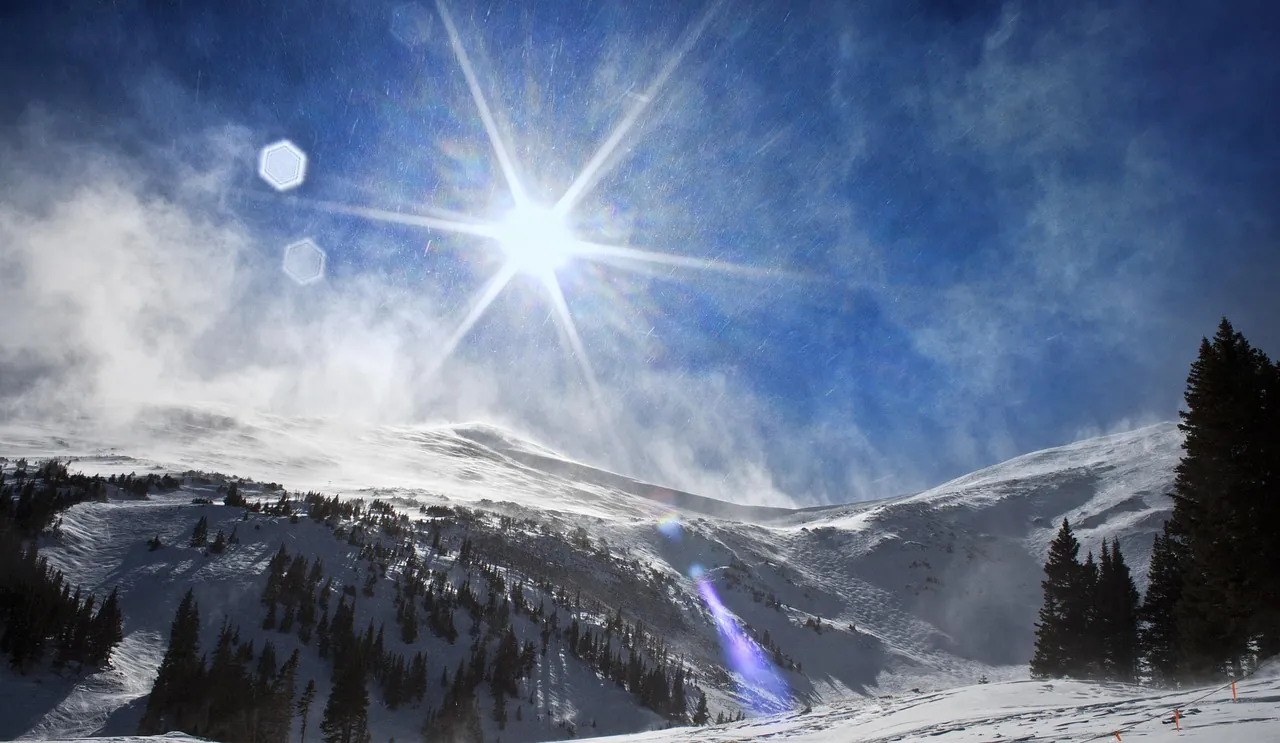
Nutrition for the Mountains
Your digestive system operates less efficiently when the body redirects blood flow to vital organs to compensate for hypoxia. High-fat, heavy meals sit in the stomach like lead weights, diverting essential energy away from acclimatization. Complex carbohydrates are your absolute best friend at altitude. Carbohydrate oxidation requires less oxygen to convert into usable muscular energy than fat or protein oxidation. Start your mornings with oatmeal, whole-grain toast, and fresh fruit. Lean proteins are fine in moderation, but a carb-heavy diet directly supports your body’s elevated metabolic rate. Keeping a stash of granola bars or trail mix in your pack ensures you maintain steady blood sugar levels during excursions.
Recognizing the Warning Signs
Differentiating between standard travel fatigue and a dangerous physiological response requires honest self-assessment. Feeling winded after walking up a flight of stairs in your rental condo is entirely normal. Waking up gasping for air, experiencing a debilitating migraine that ignores ibuprofen, or vomiting repeatedly are glaring red flags. High Altitude Pulmonary Edema (fluid in the lungs) often presents as a dry, persistent cough that eventually produces pink, frothy sputum. High Altitude Cerebral Edema (brain swelling) manifests as extreme confusion, a staggering gait, and an inability to perform simple cognitive tasks. Both require immediate, rapid descent and professional medical intervention.Medical Resources and Emergency Care
Summit County is exceptionally well-equipped to handle high-altitude emergencies. If symptoms escalate beyond mild discomfort, do not attempt to tough it out in your hotel room. The primary medical facility serving the region is St. Anthony Summit Hospital, a highly regarded Level III Trauma Center located directly in town. Their clinical staff deals with acute mountain sickness on a daily basis. They have the specialized equipment—including hyperbaric chambers and high-flow oxygen systems—necessary to stabilize severe cases. For absolute emergencies, always dial 911. First responders in the area carry supplemental oxygen and are specifically trained to extract and treat altitude-stricken visitors.Prioritize your health on Day 1. A slow start ensures you have the energy to enjoy the Frisco Adventure Park and Nordic Center later in your trip.
Local Health Advisory